Digitising Self Help Booklet
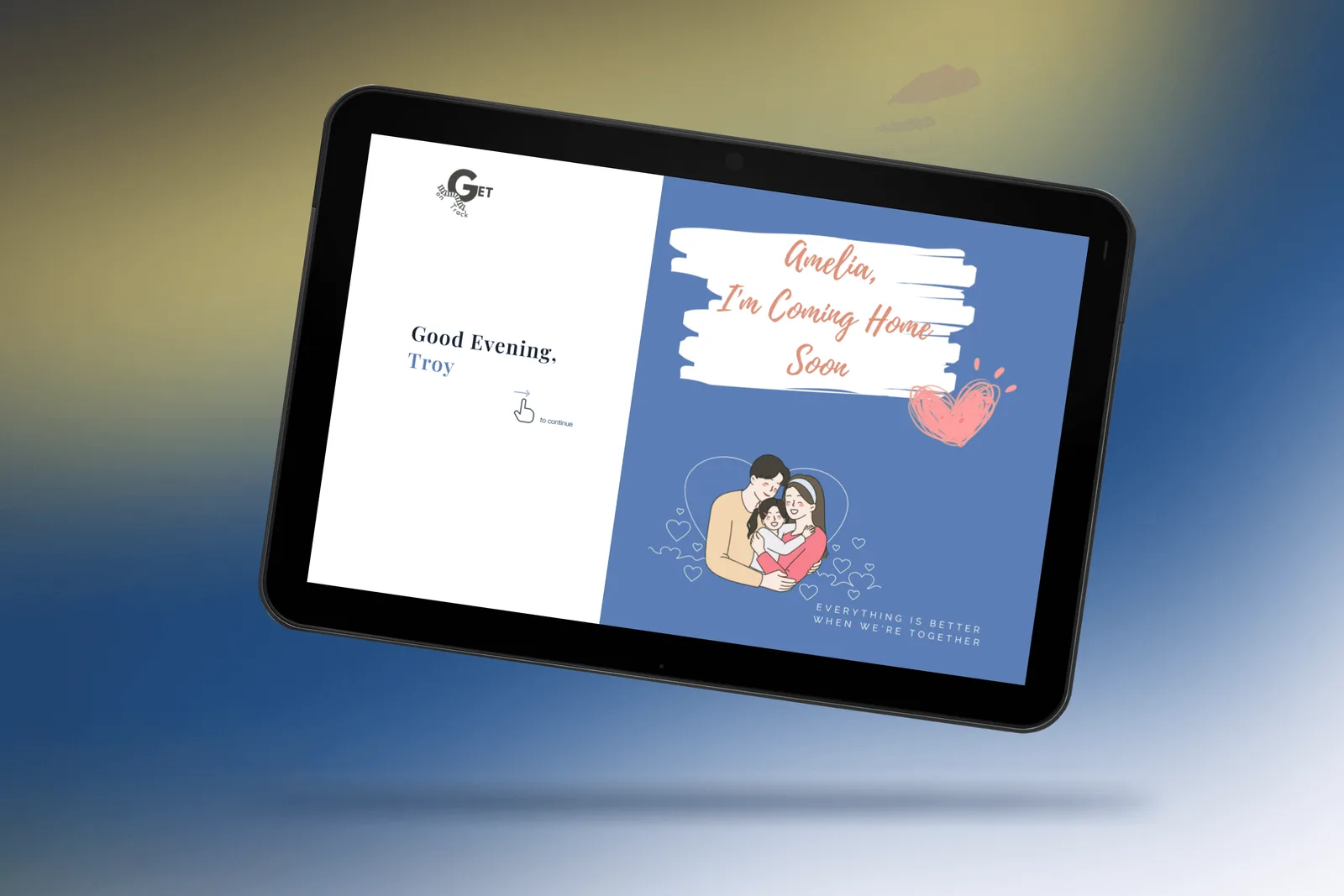
Quick Facts
Client: Singapore Prison Service (SPS)
Platform: Tablet App
Duration: 3 weeks (Feb 2023)
Team Size: 4 pax
#TabletApp
#eLearning
#Gamification
Project Overview
In a team of four, we utilised the Octalysis framework to gamify learning and create an eLearning tablet app. Backed with inmate user research and paper prototyping, this informed the digitalising of a Self-Help Booklet (SHB), aimed at enhancing inmates’ personal development.
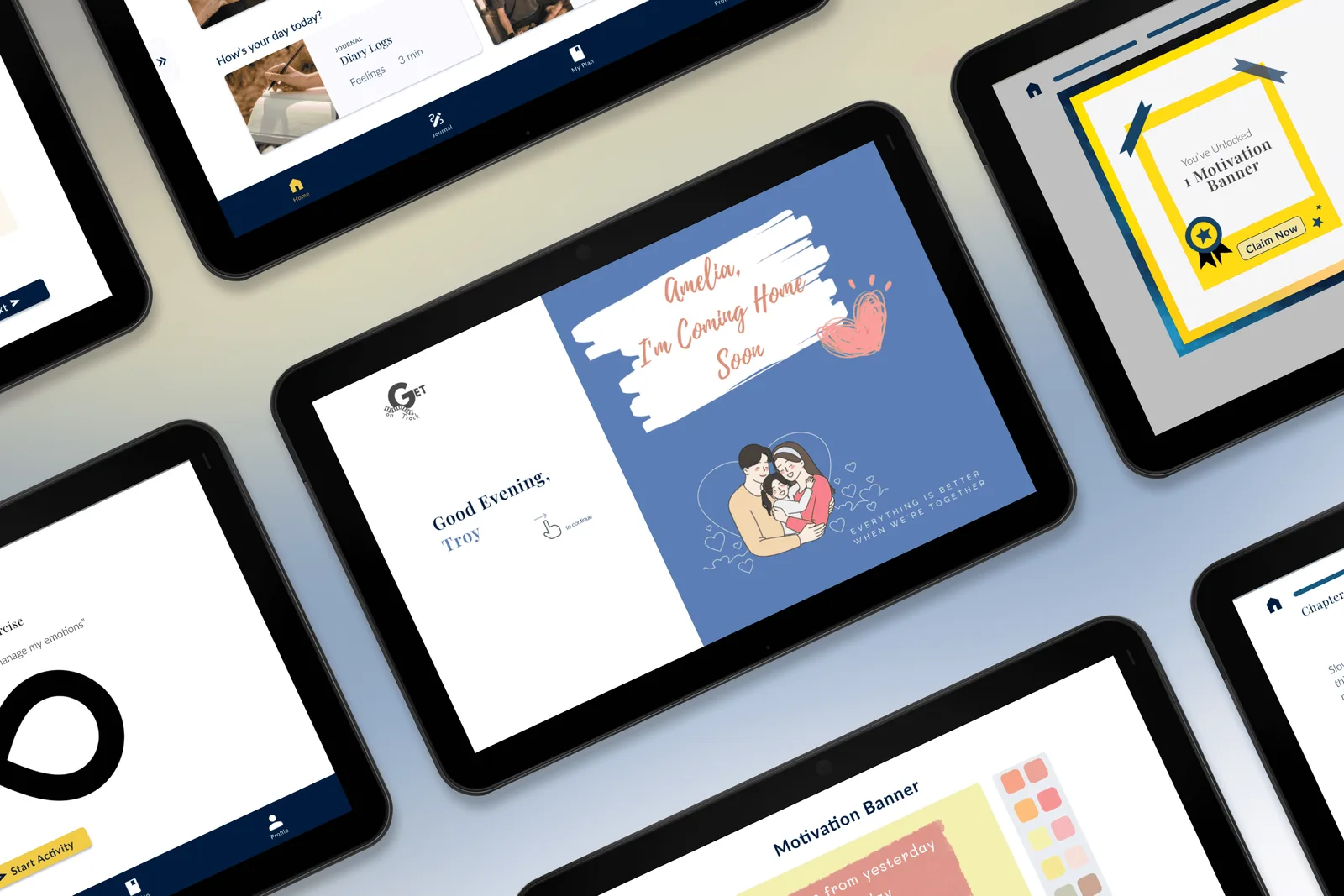
More Info:
What Challenges did we face?
Information Architecture (IA)
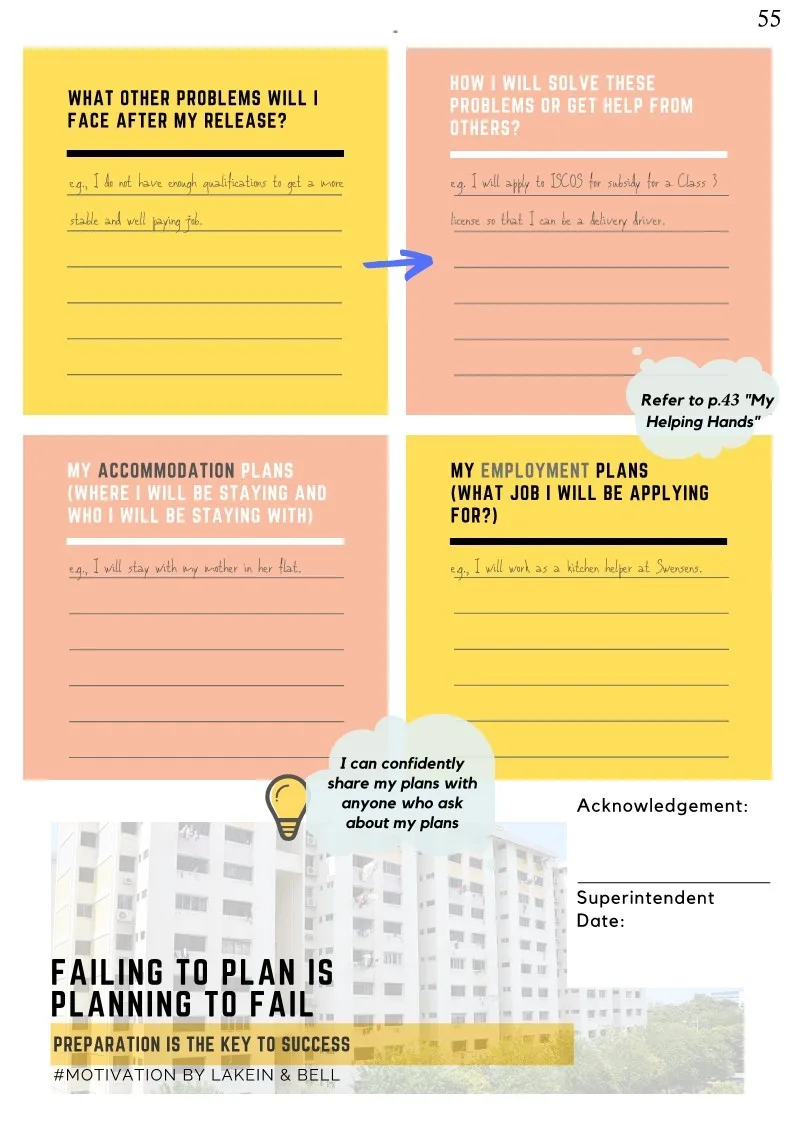
As we awaited clearance to visit the prison, our team gathered to work on the book activity. We delved into each narrative, analyzed the content flow, and assessed the book's structure. With the objective of digitizing the Self-Help Book (SHB) into an e-learning app, our aim is to reorganize the activities into different pathways. This will enable users to skip irrelevant chapters and group activities based on reflection points, ultimately fulfilling the intended purpose of the SHB—to complete their personalised 'Stay Safe' Plan (SSP).
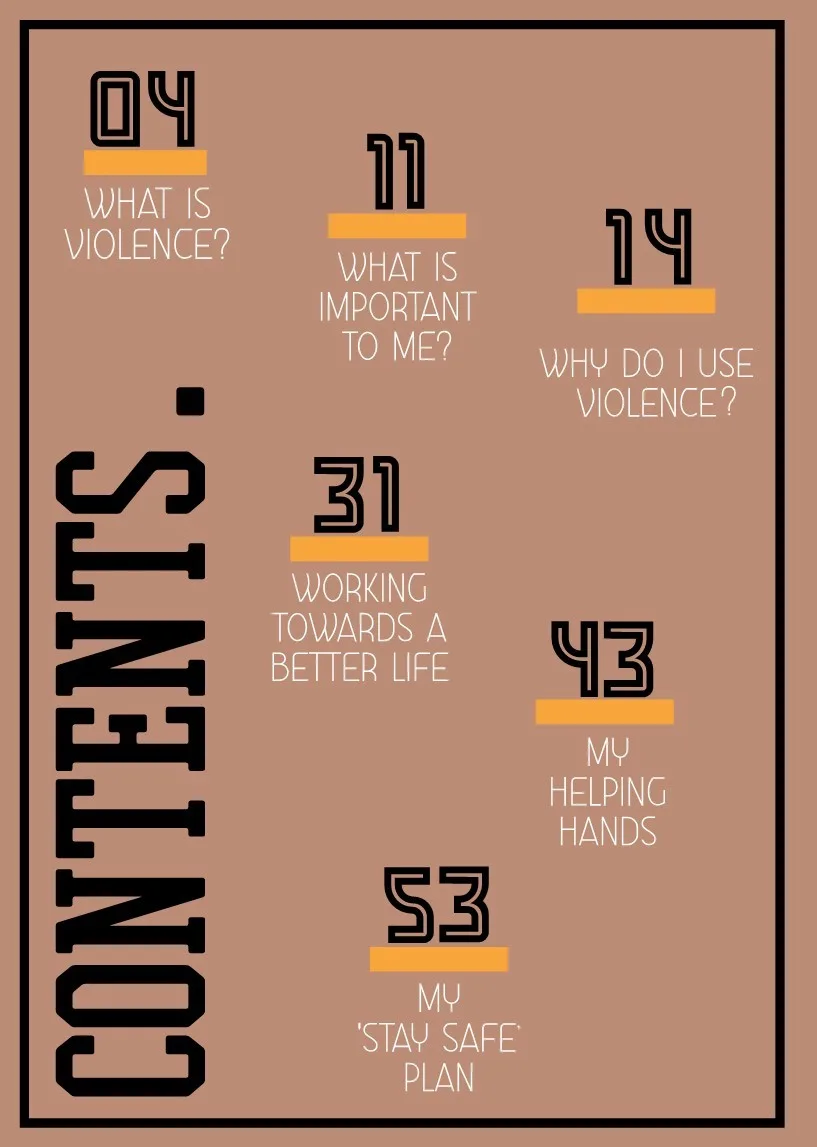
Content of Self Help Booklet (SHB)
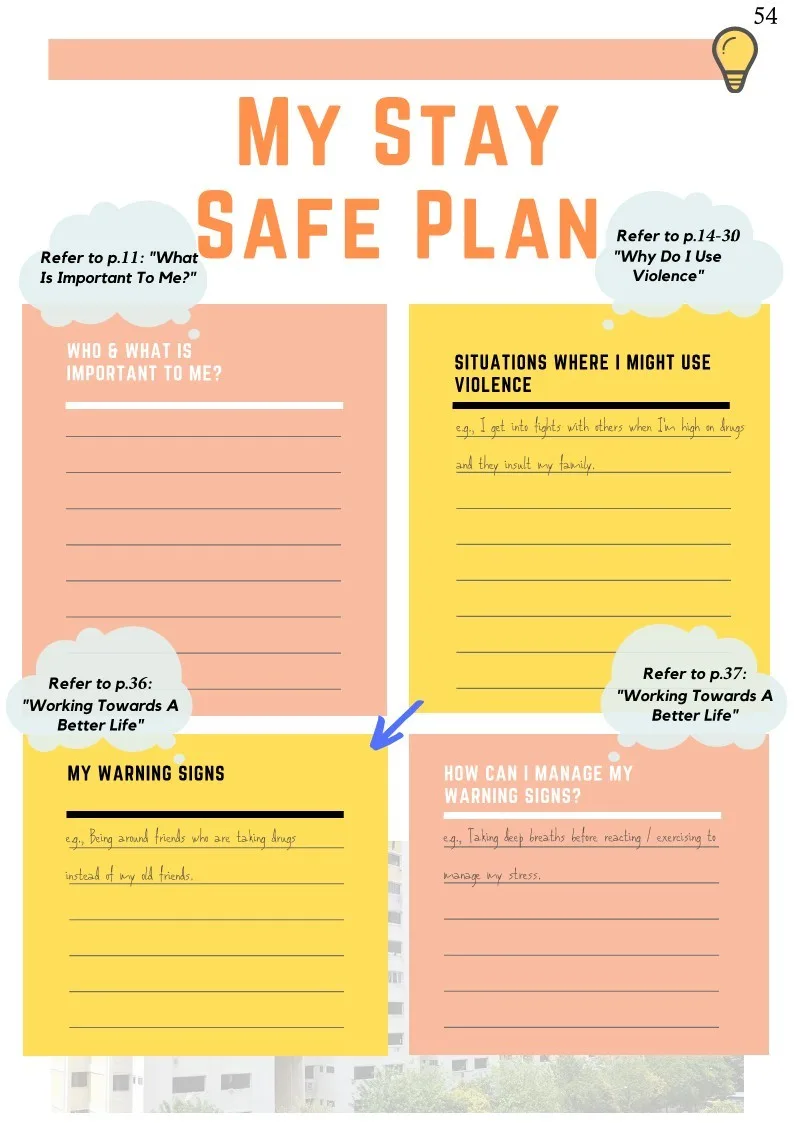
Stay Safe Plan (SSP) Page 1
Stay Safe Plan (SSP) Page 2
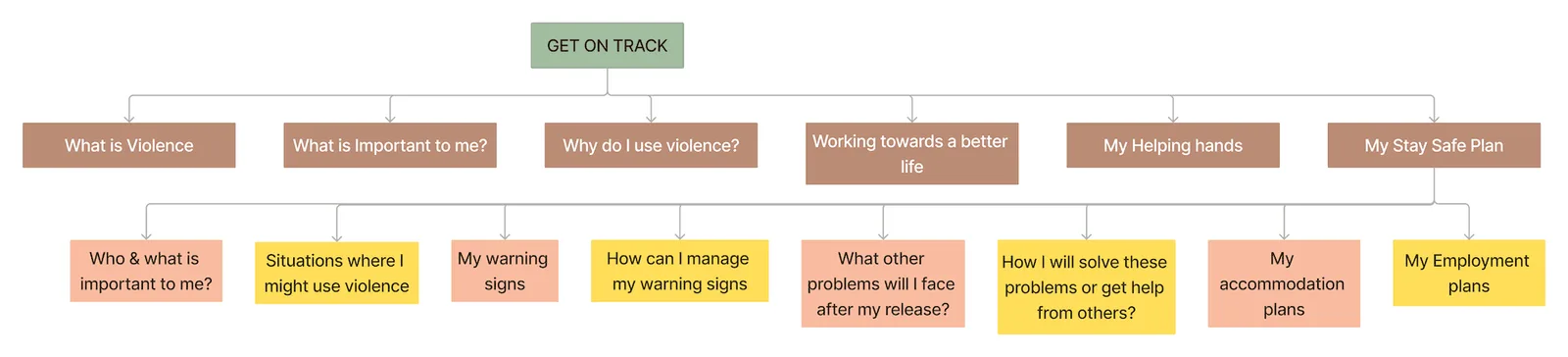
SHB IA & breakdown of SSP
(Unique) User Interview
Conducting interviews with inmates provides a unique experience, but it is important to consider various factors that can impact the quality of the results.
Reliable Pen & Paper: Due to restrictions on bringing electronic devices, we relied on pen and paper to transcribe the inmates' remarks and insights during the interview, spending a significant amount of time on this task.
Time Constraints: Each interviewee was limited to a 30-minute duration, and while the process of visiting the prison went smoothly, we faced challenges in contacting the Control Unit for clarification due to the lack of a mobile device, resulting in additional trips around the building.
Challenging Atmosphere: Some inmates displayed discomfort during the interviews, with one suspecting that we were re-assessing their crimes to potentially reduce charges. In other cases, inmates showed disinterest or perceived no benefit from the interview. Despite our efforts to introduce ourselves and clarify our intentions, we recognized that these factors may have affected the overall quality of the interviews.
Our Findings & Problem
Research Insights
We conducted 9 user interviews (on-site) and 1 ex-offender interview (phone call).
These are our top 5 key insights:
"I want to hear stories of ex-offenders turning their lives around"
"I don't feel safe writing personal things on Self Help Booklet (SHB)"
"I see my family as a source of motivation"
"I need to have multiple language options or help"
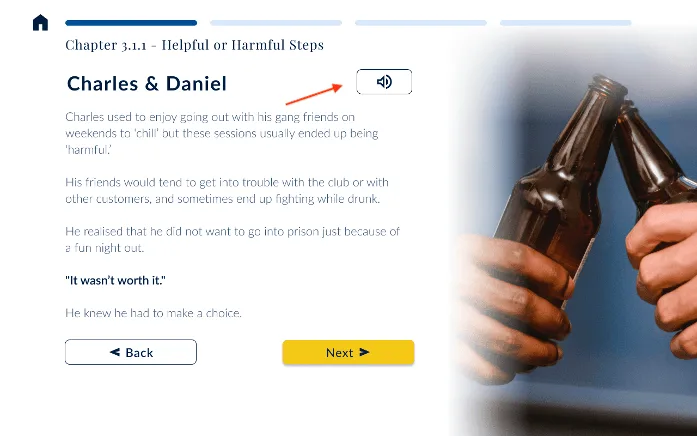
"I find content in the tablet to be interesting if there is audio"
Comparative Analysis
"Are there any existing best-in-class apps?"
Thus we looked into various categories of apps e.g. eLearning, Cognitive Behaviour Therapy (CBT), Mindfulness, Children eLearning, etc to understand what is done well and what we could learn from them.
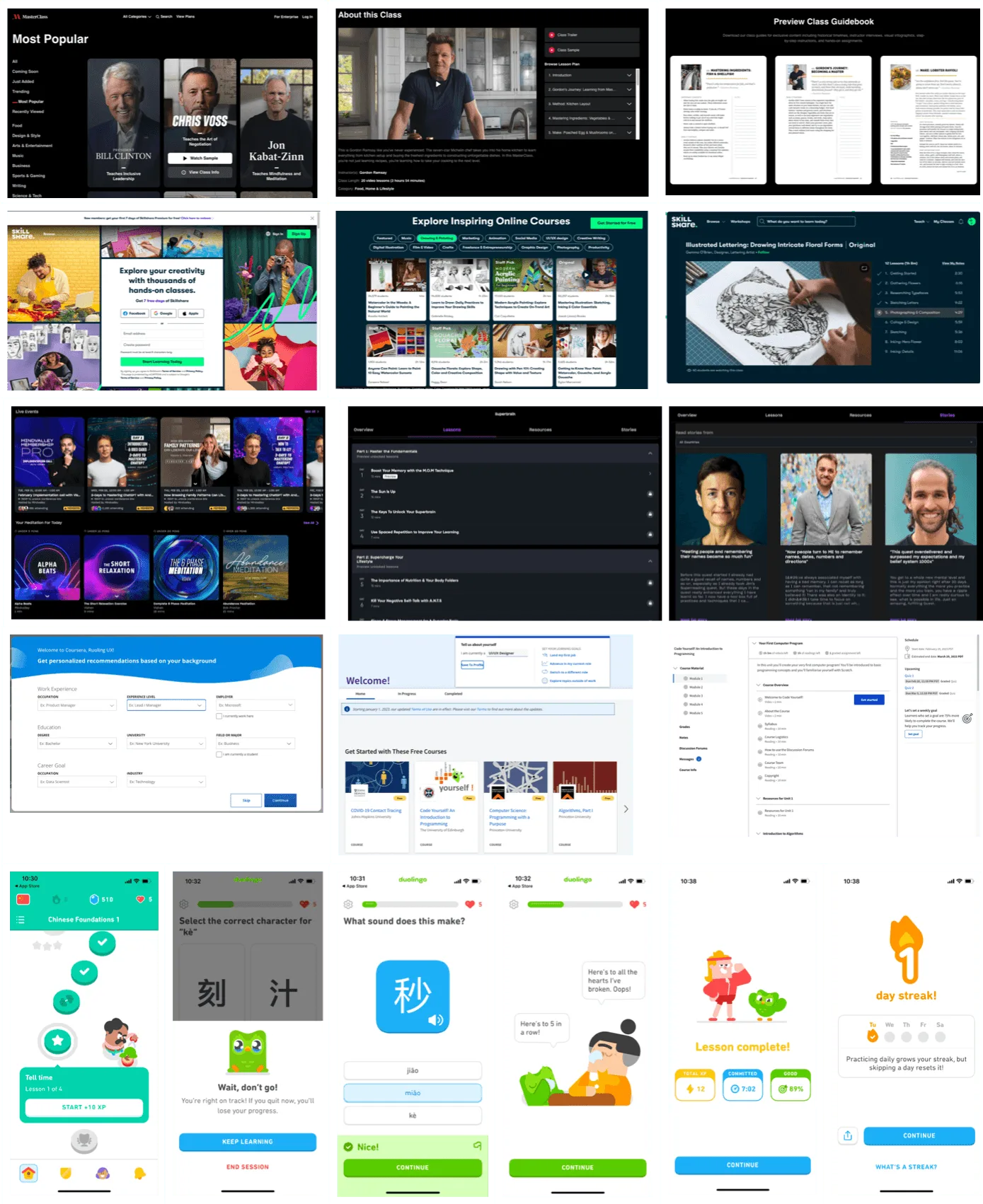
Screenshots of
Masterclass, Skillshare, MindValley, Coursera, Duolingo
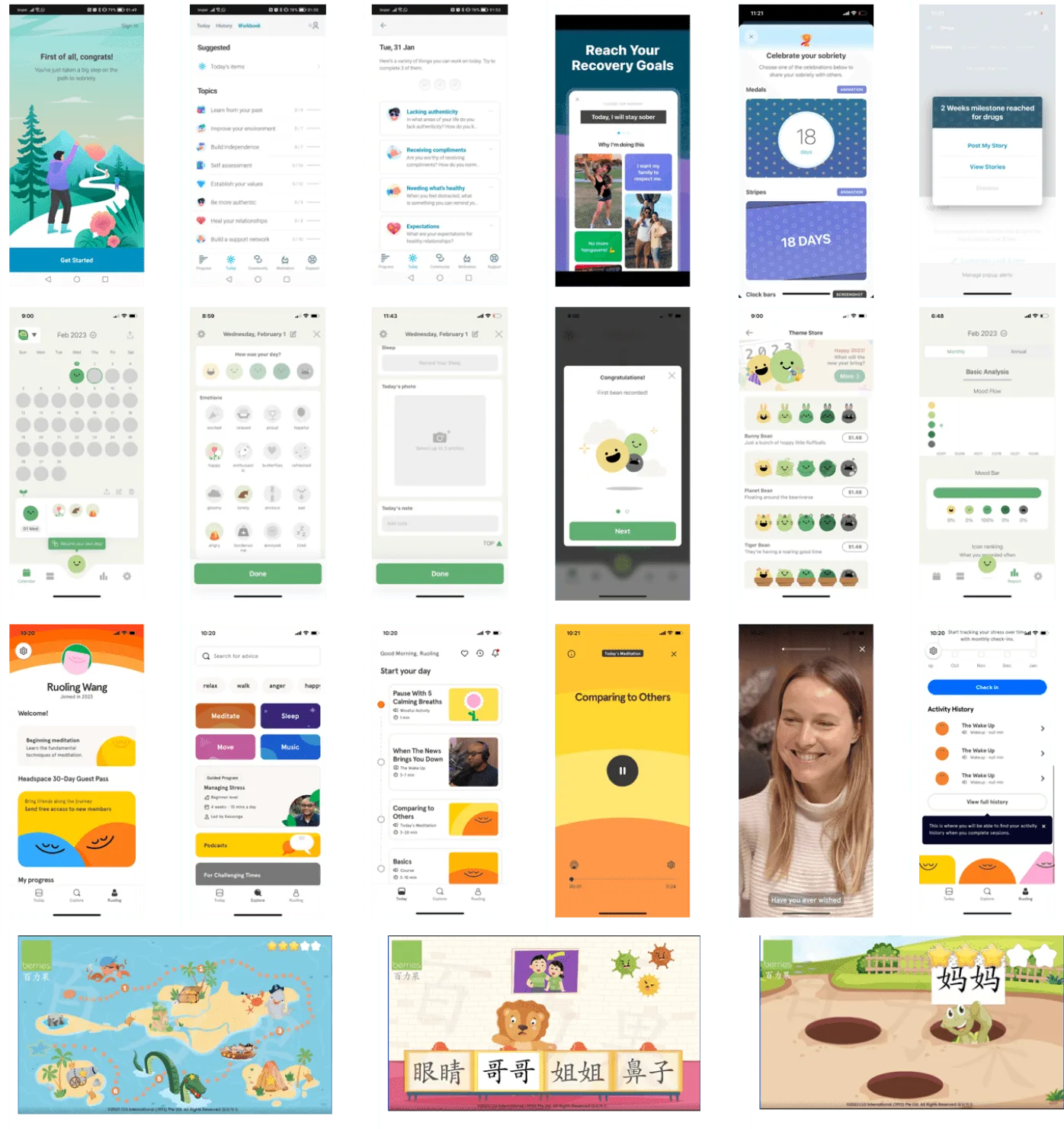
Screenshots of
I Am Sober, Daily Bean, Headspace, Berries,
Key Takeaways:
Problem Statement

HMW guide and motivate Troy to complete the Stay Safe Plan (SSP)?

HMW help Ismail to understand the content in the Self Help Booklet (SHB)?
What solutions do we proposed?
Solutions
After considering various ideas, we have chose four key features to address the mentioned HMW problems:
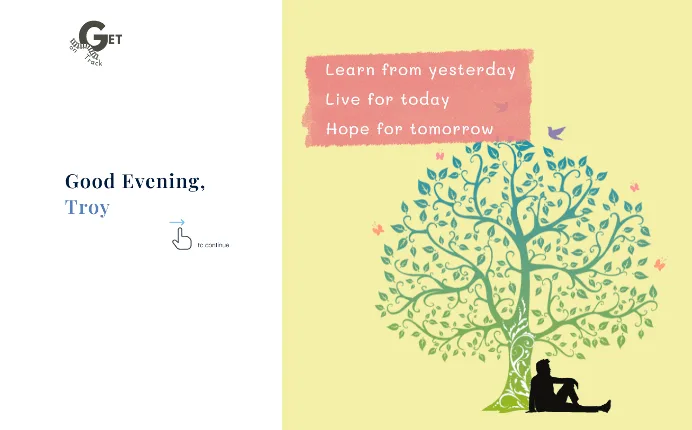
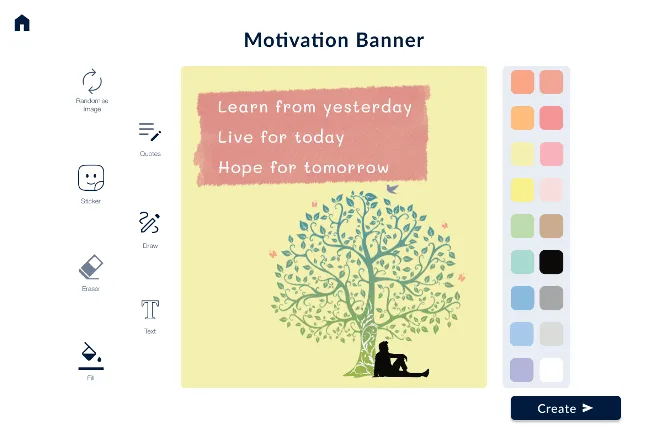
1. Motivation Banner

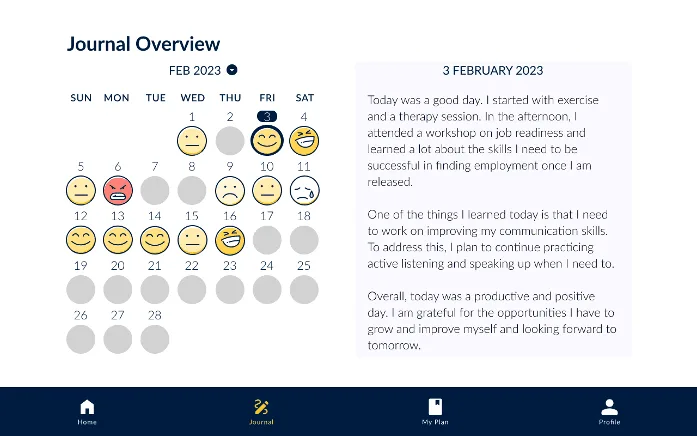
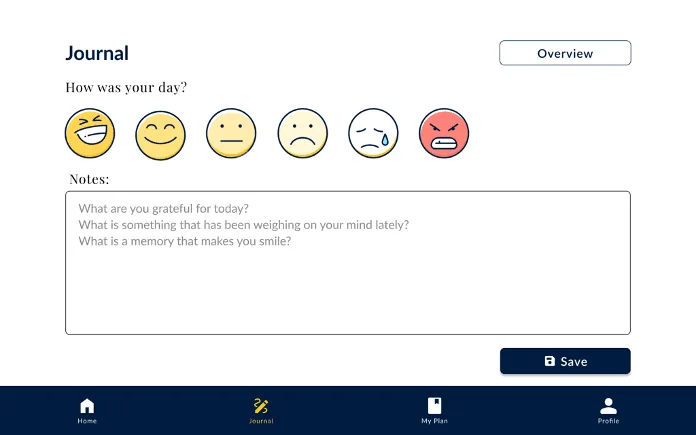
2. Journailing
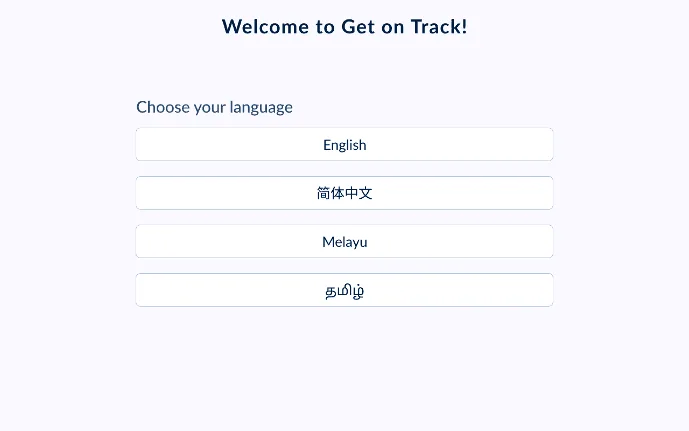
3. Text-to-Audio & Multiple Language
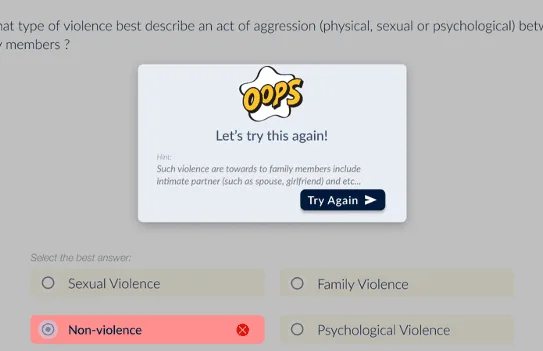
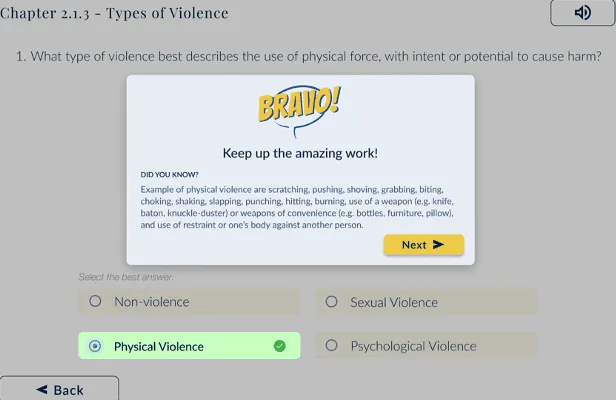
We use Yu Kai Chou Octalysis Framework to introduce gamification to the eLearning tablet application.
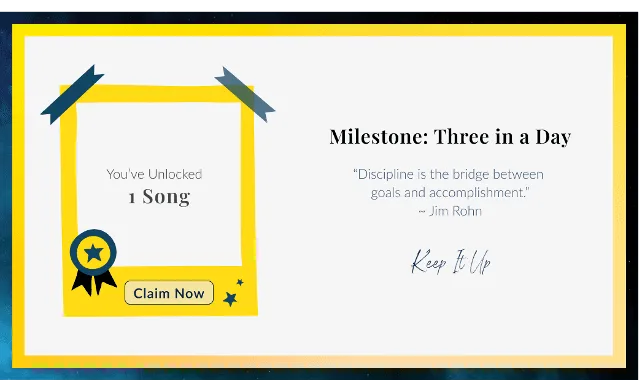
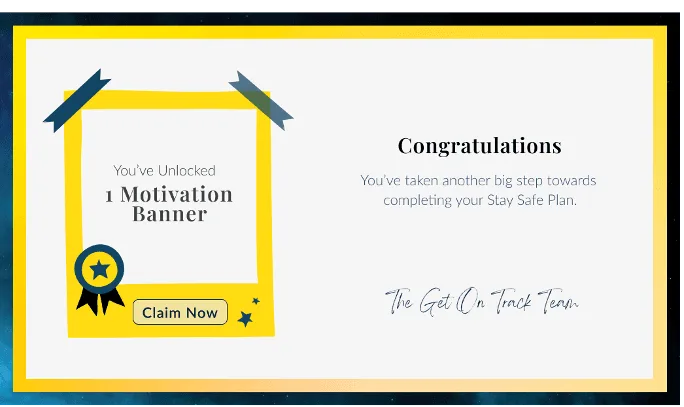
Based on our prototype designs, here are some examples of gamification applications.
4. Gamification Applications
In-depth explanation:
What is Yu Kai Chou Octalysis framework?
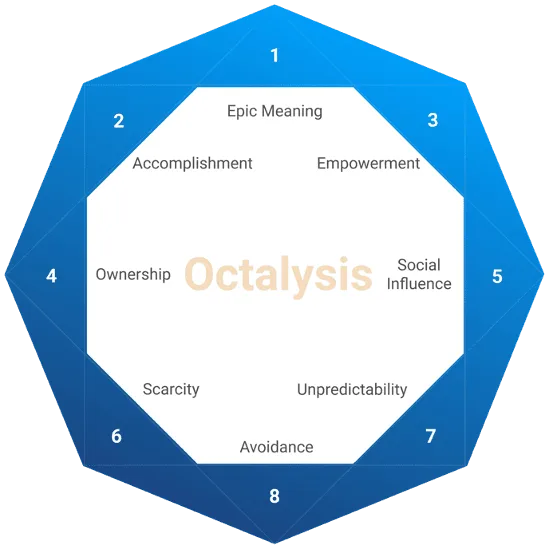
What are the 8 Core Drives?
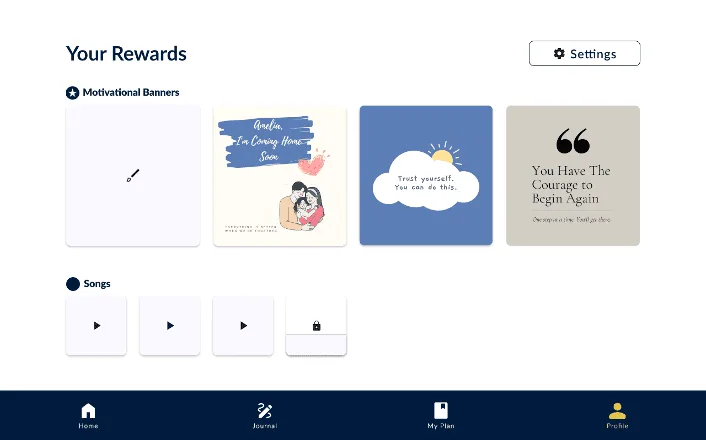
Types of Motivators
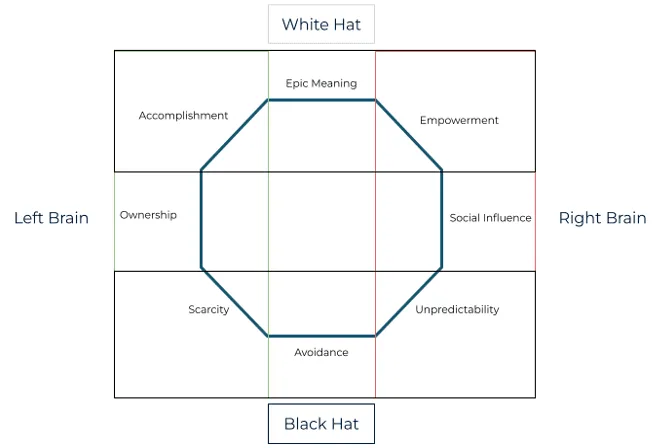
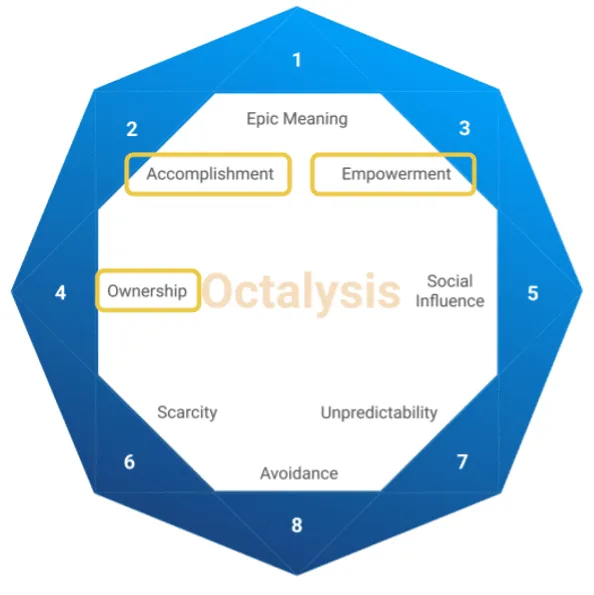
The three core drives to focus are:
By implementing these features, we aim to address the identified HMW problems and enhance the overall functionality and user experience of the app.
Proposed IA
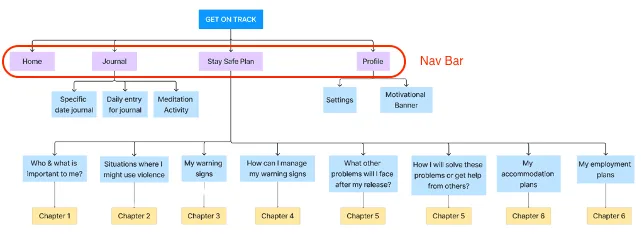
As we transition from a physical booklet to a digital tablet platform, we had to develop a new framework for the proposed Information Architecture.
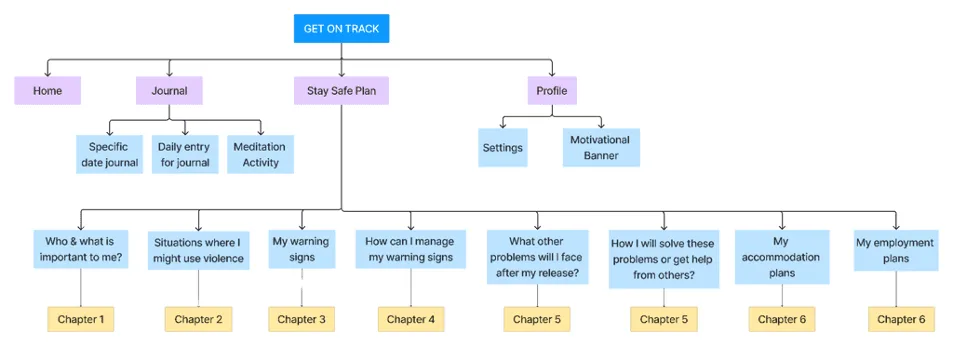
Proposed Information Architecture
More Info:
Rationale behind the proposed IA
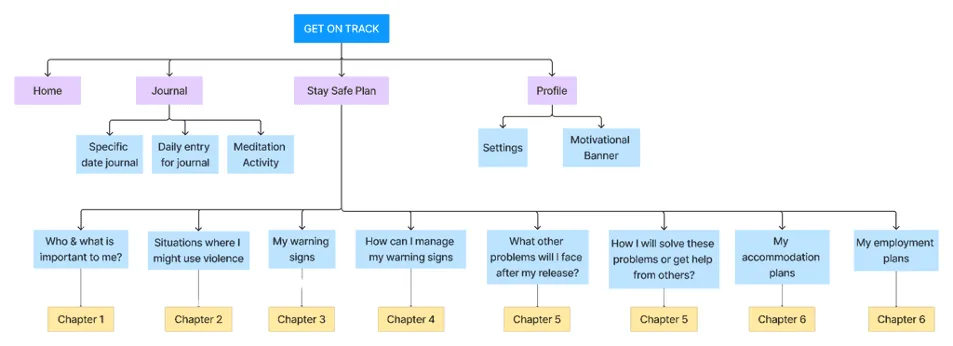
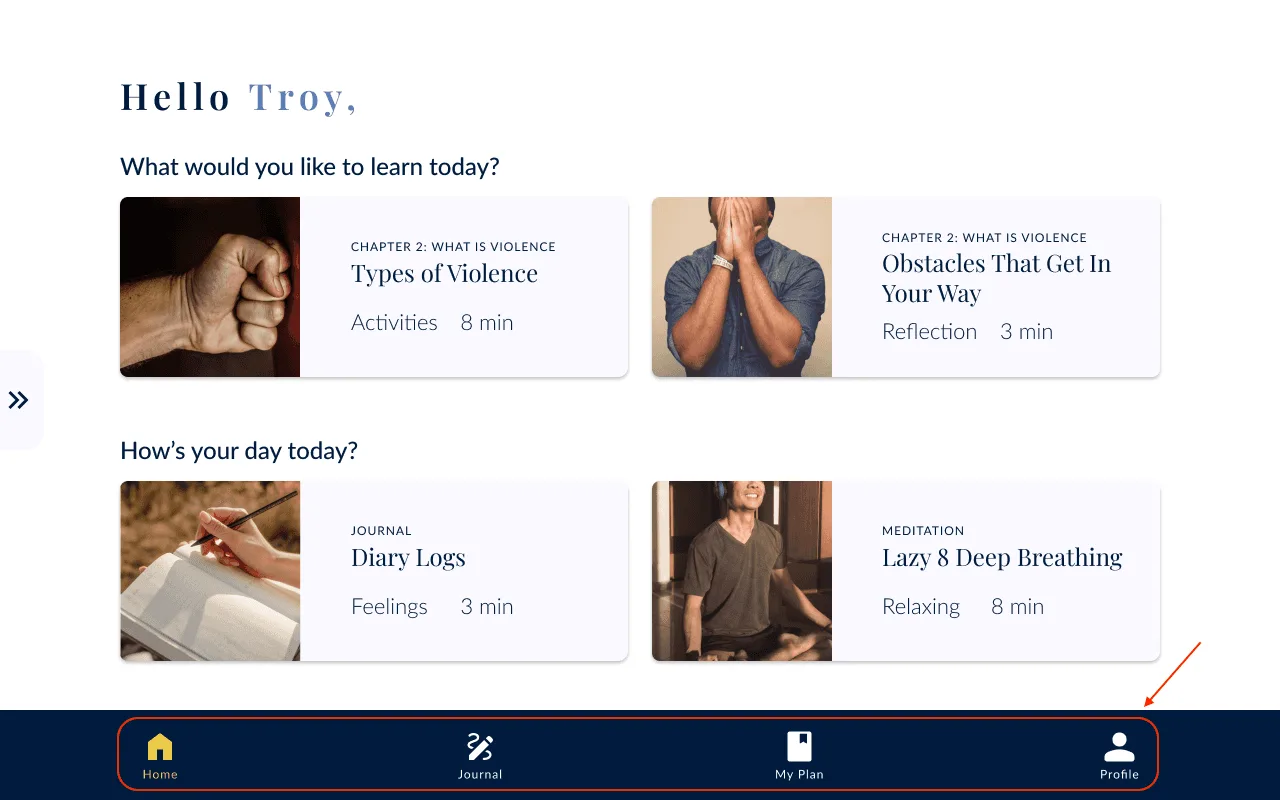
Establish framework & deriving Nav Bar
Prototype Development
Prototype
Using Figma, we created an interactive prototype that will be used to showcase our proposed design.
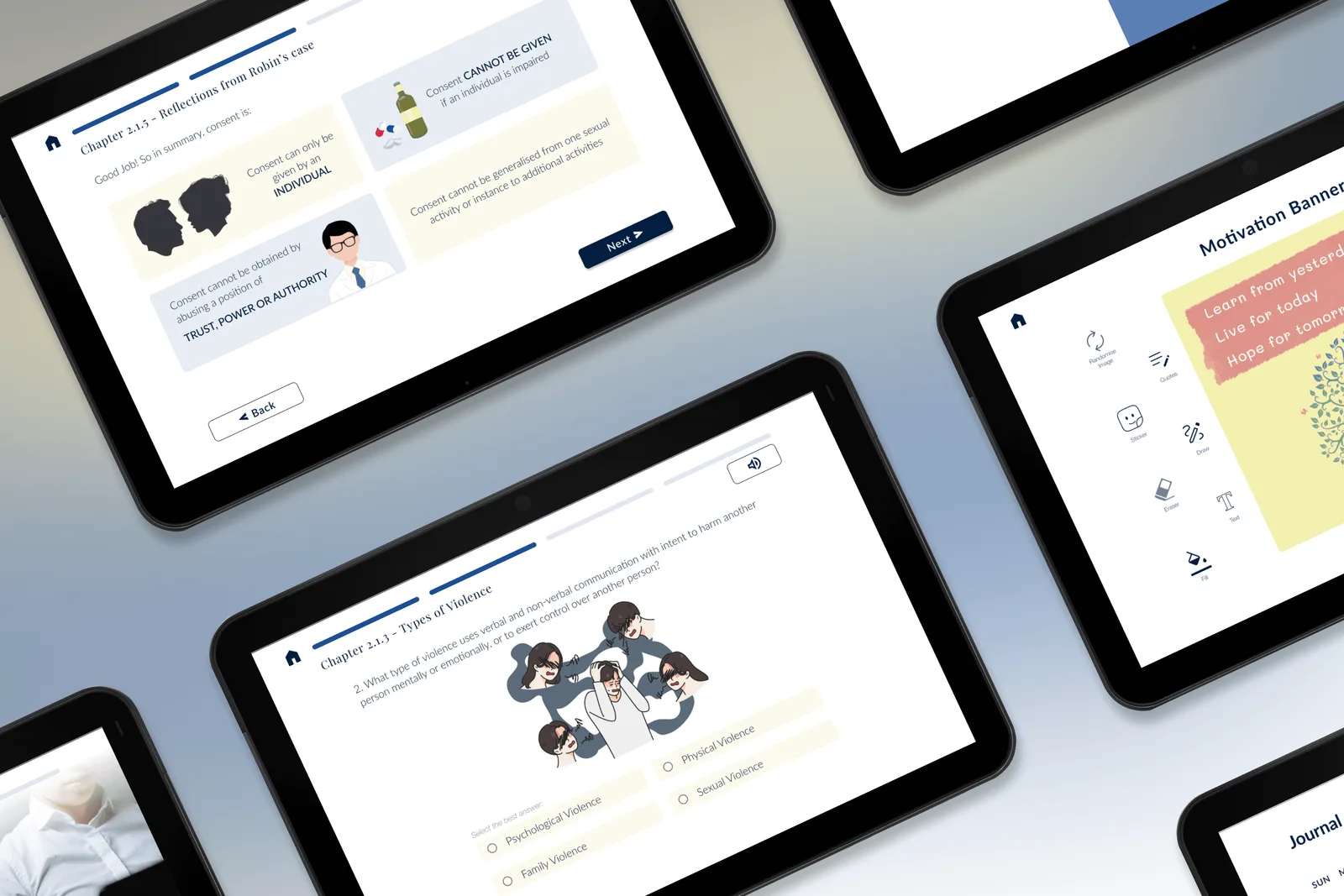
Activity Page
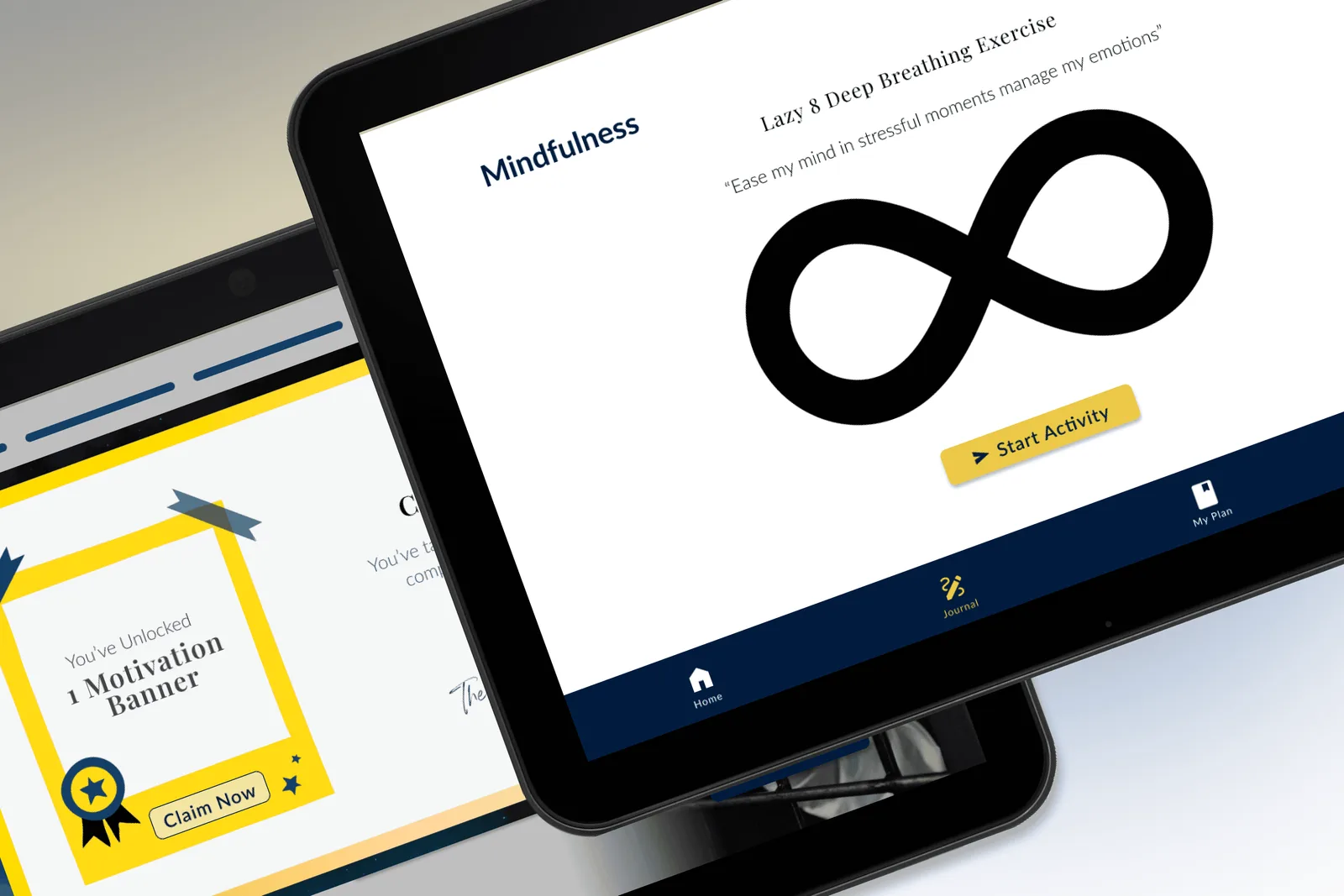
Motivation Overlay & Mindfulness Page
(Unique) Usability Testing
It was difficult to make conclusions from this round of user testing because 2 out of 6 users faced language barriers and 3 out of 6 of the users were confused as to why they were in the room and were hesitant to answer the questions. There are similar challenges that were faced in initial User Interviews stage.
Due to lack of internet access to use Figma, we printed out the screens and conducted our tests with Paper Prototypes.
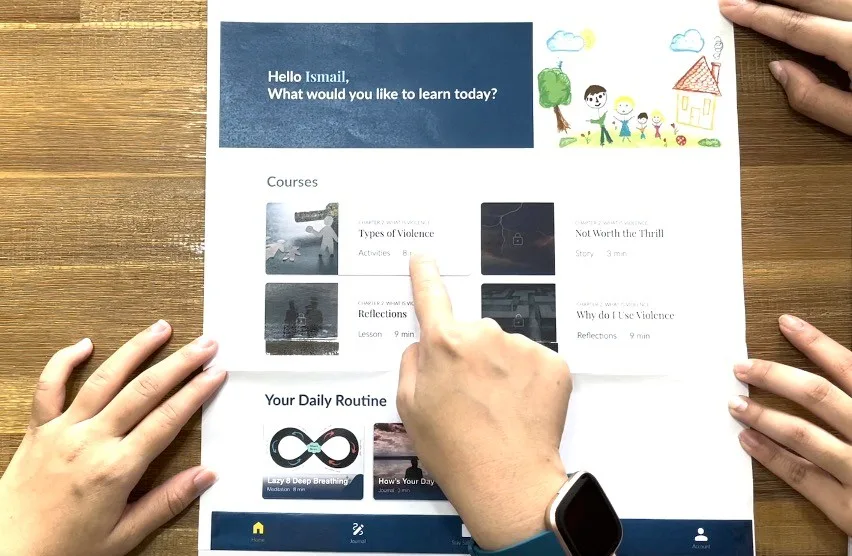
Re-enactment of Paper Prototype UT - Watch video here
Key Findings:
Tablet vs PDF Booklet
Future Recommendation
1. Audio feature
Disclaimer:
To comply with my non-disclosure agreement, I have omitted confidential information in this case study. The information in this case study is edited and may not necessarily reflect the current state of the project.